October 15th: 7:00 PM @ Hal Holmes
Grazing Management and Habitat Restoration
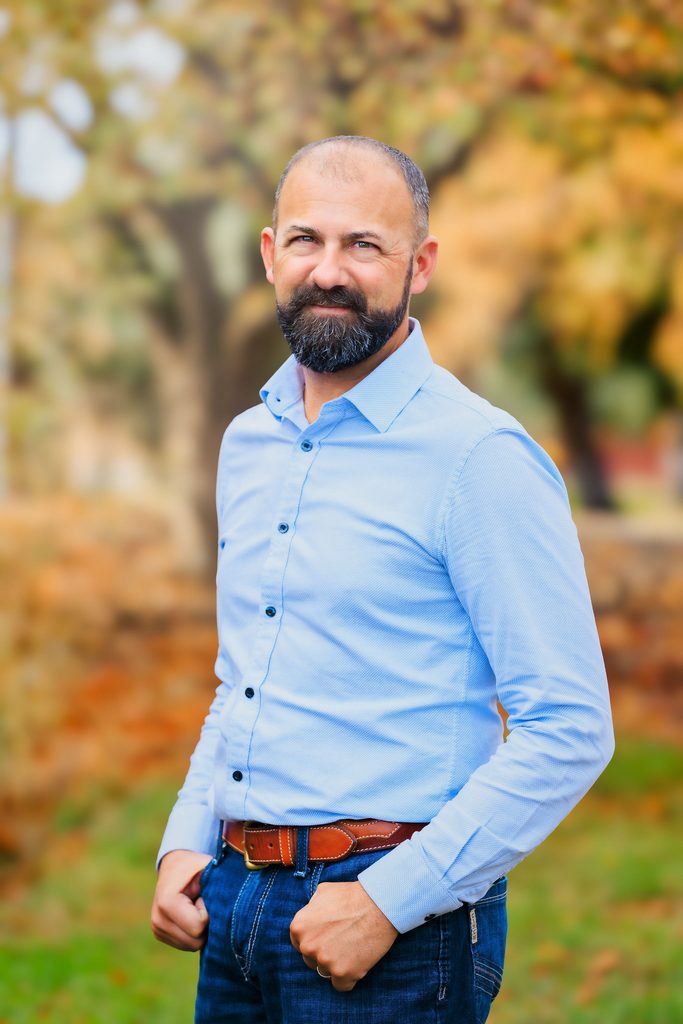
Co-Presented by Seth Hulett & Tip Hudson
Rangeland landscapes provide valuable ecosystem goods and services, including wildlife habitat, carbon sequestration, food and fiber, pollinator diversity, and more. Grazing can enhance or impair these ecological processes. We will discuss indicators of rangeland health, grazing principles that support bird habitat, examples of sustainable grazing, and current needs in large landscape conservation.
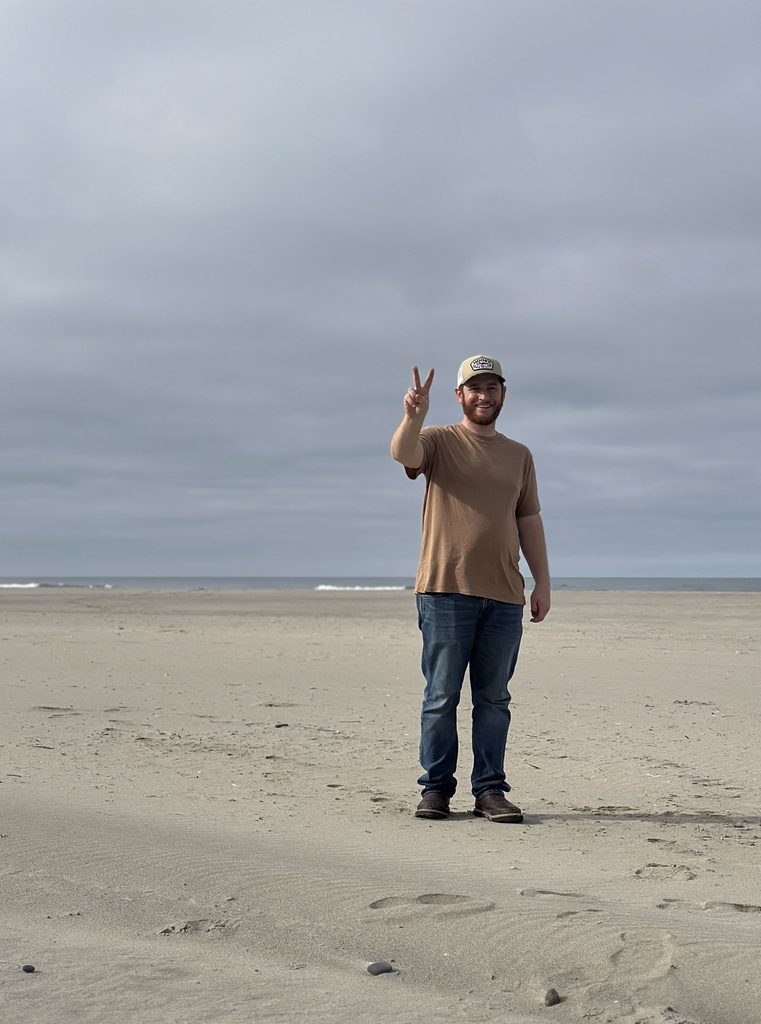
Seth Hulett is the Senior Program Manager for Audubon Washington’s Columbia Plateau program. His work focuses on partnering with farmers, ranchers, and conservation organizations to improve habitat for birds while supporting sustainable and resilient working lands.
Prior to joining Audubon, Seth worked as a Private Lands Biologist with the Washington Department of Fish and Wildlife. He holds a B.S. in Fisheries and Wildlife from Oregon State University and has spent much of his career working at the intersection of wildlife conservation, agriculture, and private lands stewardship. Join Seth Hulett, Senior Program Manager with Audubon Washington, to learn how Audubon Conservation Ranching uses birds as a guide for conservation on working ranches. Seth will share how Audubon partners with ranchers to identify opportunities for birds and wildlife and develop practical, ranch-specific approaches to habitat management. The presentation will explore how grazing management, habitat restoration, and other conservation practices can benefit birds while supporting working ranches, and how bird and vegetation monitoring helps track changes on the landscape over time. Seth will also discuss how ACR connects conservation-minded consumers with certified ranchers, creating a market-based incentive for bird-friendly stewardship.
Tip Hudson is the host of The Art of Range Podcast and one of the creators of StockSmart, a grazing decision support tool for wild, open spaces. Tip is an Extension Professor in rangeland and livestock management at Washington State University. A native of the Arkansas Ozarks, he has lived in Ellensburg, Washington since 2001. Tip’s work with WSU has focused on regenerative rangeland grazing, riparian management to support stream function and water quality, land health monitoring, and grazing to meet habitat objectives. In his free time, he enjoys exploring Washington’s diverse landscapes with his family and playing the electric bass guitar.